
Overview
As organisations move deeper into their cloud journeys, the conversation is shifting. Cloud adoption is no longer the milestone; extracting measurable business value is. To better understand how this shift is playing out in practice, we surveyed a sample of our cloud customers to explore their current maturity, investment priorities, and challenges. The findings offer a clear view of where cloud leaders are focusing next and what’s holding others back.
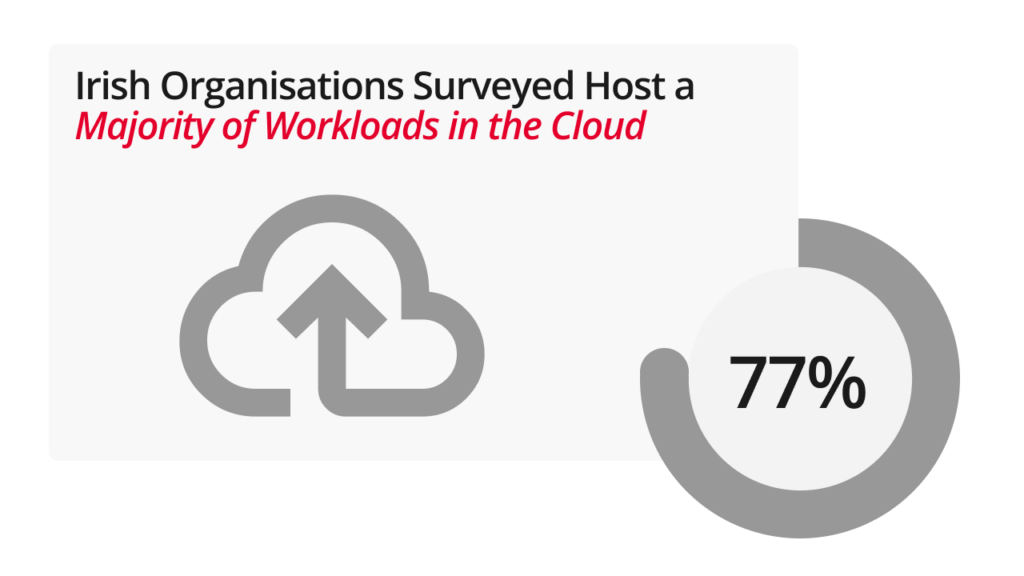
Key findings: 77% of respondents now run the majority of workloads in the cloud, and priorities have shifted to operational efficiency, reliability, scalability, resilience and cost optimisation.
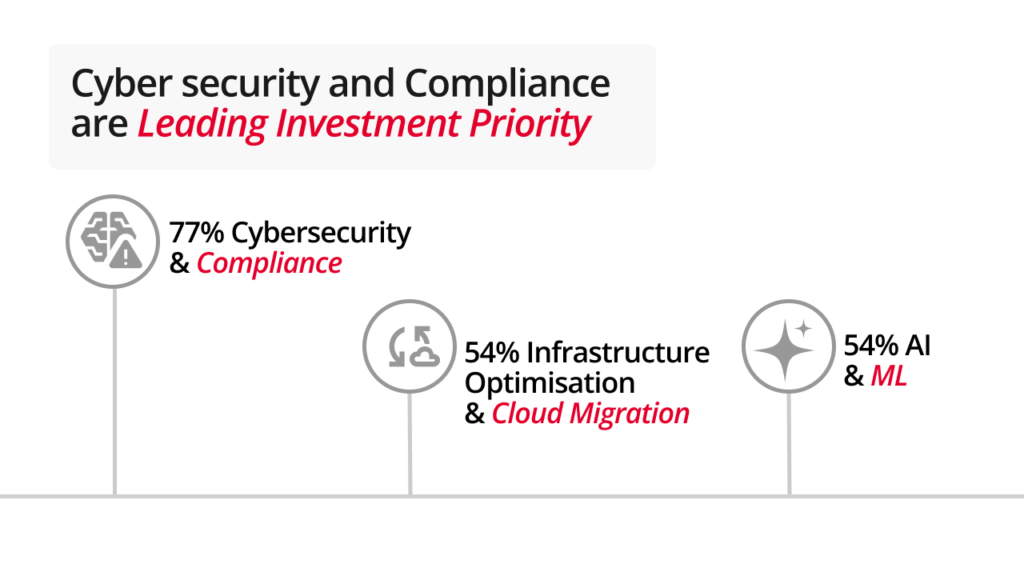
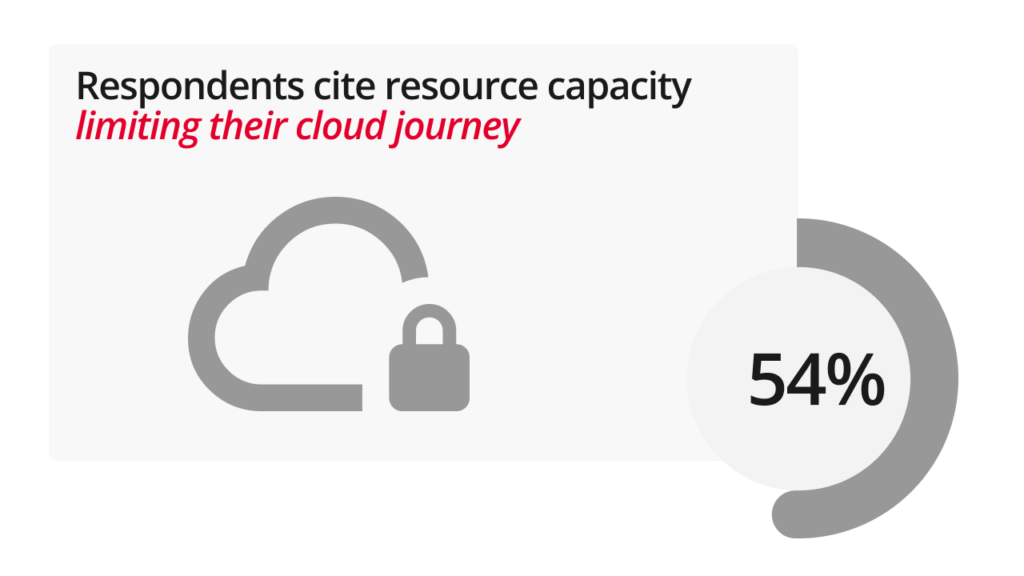
Cybersecurity and compliance lead near-term investment, while 54% cite resource and capacity constraints as the main blocker; AI and machine learning interest is rising, but most organisations are sequencing it after establishing secure, well-governed cloud foundations.
Cloud Maturity Has Reached a Turning Point
77% of respondents told us they now run the majority of their workloads in the cloud, indicating that cloud adoption is no longer a transition phase but a steady-state reality.
As cloud platforms increasingly underpin core systems and services, priorities naturally evolve. The question organisations are grappling with is no longer whether to move to the cloud, but how to ensure performance, resilience, security, and cost control as environments grow in scale and complexity.
Cybersecurity and Compliance Lead Investment Priorities
When asked about future investment, cybersecurity emerged as a clear priority. Infrastructure optimisation and cloud migration, along with AI and machine learning, follow closely; however, they are not yet the dominant drivers of spend.
This reflects a growing recognition that cloud environments are now mission critical. As dependency on the cloud increases, so does awareness of business risk. Security, business continuity, resilience, and governance are no longer purely technical concerns; they are foundational to business stability and customer trust.
The Real Constraint: People and Capacity
Despite the maturity of cloud platforms themselves, respondents were clear about what is holding them back. 54% cited resource and capacity constraints as a limiting factor in progressing their cloud journey.
Many internal IT teams are balancing day-to-day operational demands alongside optimisation, security improvements, and future planning. Without sufficient time or specialist skills, organisations risk becoming reactive, leading to increased exposure to misconfiguration, security gaps, and technical debt.
This pressure is driving increased interest in structured managed services that provide governance, continual improvement, and access to specialist expertise, while freeing internal teams to focus on strategic priorities.
Cloud Value Is Defined by Operational Outcomes
As cloud adoption matures, success is being judged less on innovation alone and more on operational outcomes. Respondents consistently prioritised operational efficiency, improved scalability, and reliability over faster experimentation or new product development.
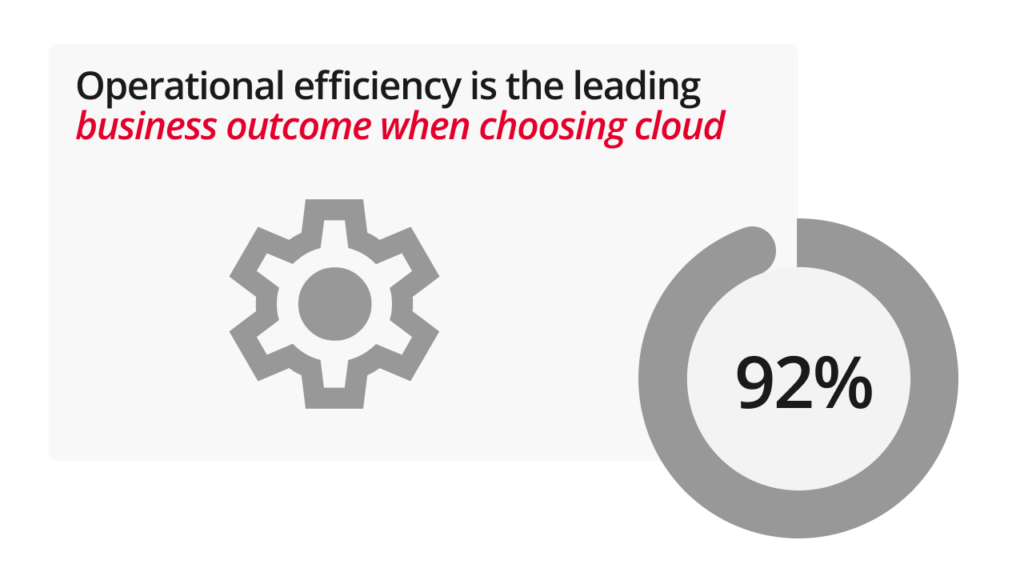
This focus carries through to how organisations measure success. Financial performance, uptime, system reliability, and user satisfaction were ranked ahead of innovation-led metrics, reinforcing the view that cloud’s primary role today is enabling dependable, high-quality service delivery.
AI Interest Is Growing, but Maturity Comes First
While AI continues to dominate industry discussion, our survey suggests a pragmatic approach among respondents. Interest is strong, but adoption is measured. For most, AI is viewed as a next-phase opportunity rather than an immediate driver of cloud strategy.
Larger and more mature cloud environments were more likely to identify AI and machine learning as near-term priorities, having already invested in secure platforms, resilient operations, and solid data foundations. For others, stabilising and optimising existing environments remains the priority.
From Cloud Adoption to Sustained Value
Taken together, the findings point to a cloud landscape that is clearly maturing. For the organisations we surveyed, the emphasis has shifted away from migration activity and towards long-term value creation.
Security, governance and AI now dominate investment decisions. Those that succeed will be the ones that pair modern cloud platforms with the right people, processes, and operating models, turning cloud from a technology choice into a sustained business advantage.
These findings reinforce Ergo’s view that cloud managed services are becoming a strategic capability, not a tactical support function. Success in the next phase of cloud maturity will be defined by:
- How well organisations operate their environments
- How effectively they optimise cost and performance
- How confidently they govern and secure at scale
Ergo’s role is to help clients navigate this complexity, combining technical depth, operational discipline and continuous improvement to turn cloud platforms into sustained business advantage.